
Steady State Health | 5 Min Read

Ever wonder why one medication seems to be all over the news—tied to weight loss, diabetes, and even brain health? Meet GLP-1, a naturally occurring hormone that might just be rewriting the playbook for midlife health.
What Is GLP-1, Really?
GLP-1 (Glucagon-Like Peptide 1) is a hormone your gut releases after you eat. Think of it as a multitasker: it helps your body release insulin, manage blood sugar, slow down digestion (so you feel fuller), and even tell your brain when you’ve had enough.
In medical form, GLP-1 receptor agonists (like semaglutide—brand names you’ve probably heard, like Ozempic® or Wegovy®) mimic this hormone. Doctors first used them for type 2 diabetes, but they’ve quickly become game-changers in weight management.
Beyond the Scale: GLP-1 and the Brain
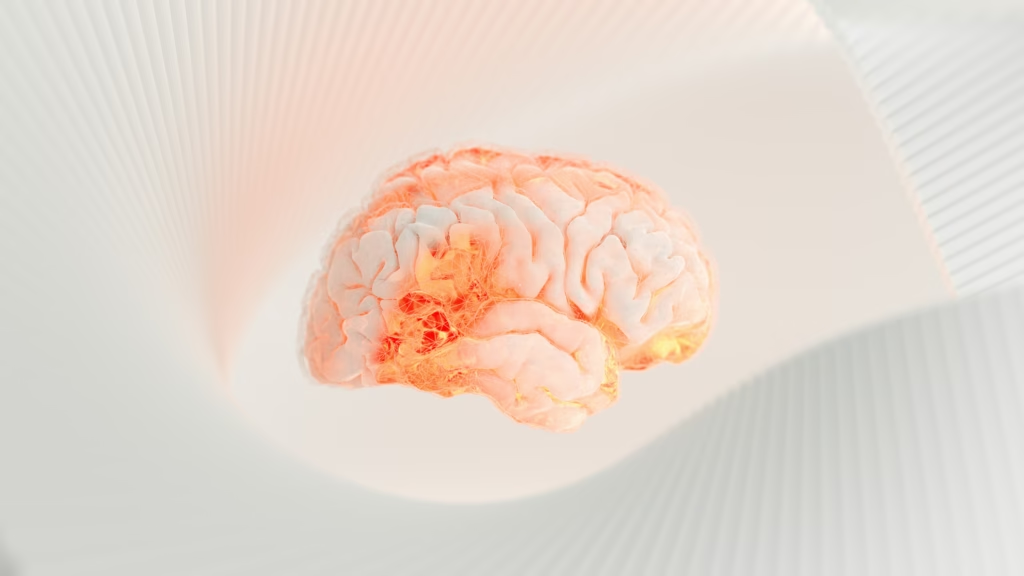
Here’s where things get exciting. GLP-1 doesn’t just hang out in the gut—it’s active in the brain too. Research shows it crosses into brain tissue, where it may:
???? Protect brain cells from inflammation and stress

Think of GLP-1 as your brain’s bodyguard. When your nervous system is under attack from inflammation (something that ramps up in midlife and menopause), GLP-1 can step in to calm things down. Research shows GLP-1 receptor agonists may reduce harmful inflammatory chemicals in the brain, improve blood flow, and even shield the blood–brain barrier from damage. Why does this matter? Because chronic inflammation is a major driver behind brain fog, stroke risk, and even diseases like Alzheimer’s and Parkinson’s.
???? Improve memory and learning

Brain fog isn’t a character flaw—it’s chemistry. GLP-1 works on brain pathways linked to synaptic plasticity (that’s the brain’s ability to form and strengthen new connections). In plain English: it helps your neurons talk to each other more effectively. Early studies suggest GLP-1 therapies can boost learning, improve recall, and protect against age-related cognitive decline. For women navigating perimenopause, where estrogen dips can cloud memory, this could be a game-changer.
???? Support mood balance by regulating key brain chemicals

Mood swings, irritability, low motivation—sound familiar? GLP-1 interacts with neurotransmitters like dopamine and serotonin, the same chemicals that influence mood, motivation, and resilience. Preliminary research shows GLP-1 therapies may help improve depressive symptoms and ease anxiety by modulating these brain circuits. That means we’re not just talking about “feeling less sad”—we’re talking about more energy, steadier emotions, and even a brighter outlook.
???? Reduce cravings and addictive patterns

Here’s where it gets really interesting. GLP-1 receptors show up in the brain’s reward centers—the very places that light up with food cravings, alcohol, or nicotine. By calming dopamine spikes in these regions, GLP-1 can help reduce urges and even lower the risk of relapse in people struggling with addiction. For everyday life? That could look like fewer late-night pantry raids, more control over sugar and alcohol, and freedom from that “why can’t I stop?” spiral.
✨ Bottom line: GLP-1 isn’t just about blood sugar or the scale—it’s a whole-brain, whole-body hormone with ripple effects on inflammation, cognition, mood, and even willpower.
That means GLP-1 therapies are being studied not just for diabetes and weight—but also for conditions like Alzheimer’s, Parkinson’s, depression, and anxiety.
Why This Matters in Midlife

If you’re in your 40s, 50s, or beyond, you already know your body doesn’t play by the same rules it did in your 20s. Menopause shifts hormones, metabolism slows, and brain fog can feel like your new roommate. Add in higher risks for diabetes, heart disease, and mood changes, and it’s easy to feel frustrated.
This is exactly where GLP-1 therapies may shine:
- Mood & Motivation: Helping with energy, cravings, and even easing depressive symptoms.
- Weight & Metabolism: Supporting sustainable weight loss and blood sugar balance.
- Brain Health: Offering protection against cognitive decline and supporting sharper thinking.
What’s the Catch?
GLP-1 medications aren’t magic bullets. Most are injections (though oral options exist), and side effects can include nausea, GI upset, or rare but serious complications. They’re also not for everyone—and they work best when combined with lifestyle changes (nutrition, movement, stress care).
Plus, the research is still evolving, especially around long-term brain and mood benefits. Clinical trials are ongoing.
The Empowered Takeaway
GLP-1 is more than a buzzword—it’s a hormone with the potential to reshape how we treat midlife health challenges, from stubborn weight gain to brain fog and mood shifts. But like any powerful tool, it needs to be used wisely, with the whole picture of your health in mind.
???? If you’re curious whether GLP-1 therapies might fit your story, the first step isn’t a prescription pad—it’s a thoughtful conversation about your goals, risks, and whole-person health.
✨ Bottom line: GLP-1 may be the next frontier in women’s midlife health—not just for the body, but for the brain and spirit too. And you deserve providers who see the whole you, not just your lab results.+

???? Ready to talk about whether GLP-1 therapy could support your journey? Book a visit and let’s explore your options together.
Book a consultation to discuss affordable GLP-1 –> I want GLP-1
GET IN TOUCH
Reference (APA 7th Edition)
López-Ojeda, W., & Hurley, R. A. (2024, April). Glucagon-like peptide 1: An introduction and possible implications for neuropsychiatry. The Journal of Neuropsychiatry and Clinical Neurosciences, 36(2), A4–A86. https://doi.org/10.1176/appi.neuropsych.20230226
About this source:
This article was published in The Journal of Neuropsychiatry and Clinical Neurosciences, a peer-reviewed medical journal from the American Psychiatric Association (López-Ojeda & Hurley, 2024). It reviews how GLP-1—a hormone already used in diabetes and weight management—may also support brain health, mood, and cognition. Because your health deserves science, not guesswork.