
Steady State Health | 6 Min Read

Meet “Dr. M,” a 48-year-old professional with a doctorate, a full career, and every outward marker of success. But inside, she was exhausted—physically, mentally, and emotionally.
For months, she had been juggling:
- Irregular, heavy periods now 22 days apart
- Painful sex due to vaginal dryness
- Nighttime awakenings and trouble regulating temperature
- Irritability and low patience with family and coworkers
- A lifelong pattern of mental “noise,” disorganization, procrastination, and time-blindness
- A harsh internal critic that never let her feel “good enough,” despite her accomplishments

When her teenage child was diagnosed with ADHD, she wondered if maybe she had been masking similar symptoms her whole life.
But when she brought these concerns to her doctor, she was dismissed with a shrug and:
“Welcome to perimenopause. Welcome to hell.”
She left feeling unheard—and still struggling.
At Steady State Health, we believe women deserve better. This is how we approached her case with a comprehensive, integrative, evidence-based plan.
Step 1: Listening to Her Story — A Full, Compassionate History

Instead of assuming “this is just hormones,” we explored all aspects of her health:
- Menstrual changes
- Sleep disturbances and temperature dysregulation
- Mood, irritability, and emotional resilience
- Chronic patterns of distractibility or time-blindness
- Family history of ADHD
- Sexual health and vaginal symptoms
- Weight fluctuations or metabolic concerns
- Stress load, burnout, and coping tools
- Nutrition, exercise, and daily habits
Women in midlife often experience overlapping symptoms from:
- Perimenopause
- ADHD
- Sleep disorders
- Thyroid dysfunction
- Iron deficiency
- Inflammation
- Vitamin deficiencies
- Anxiety or depression
- Metabolic dysfunction
Only a whole-person evaluation reveals the full picture.
Step 2: Mental Health Assessment — ADHD, Depression, Anxiety

We conducted standardized testing to give clarity, not labels:
- Adult ADHD assessments (e.g., ASRS-v1.1, BAARS-IV)
- Depression screening (PHQ-9)
- Anxiety screening (GAD-7)
- Executive function and emotional regulation evaluation
ADHD is frequently overlooked in adult women—especially high-achieving women who have spent decades compensating.
Research also shows untreated ADHD can worsen:
- Mood instability
- Sleep quality
- Task paralysis
- Emotional reactivity
- Burnout risk
Understanding her brain was essential for building the right treatment plan.
Step 3: Genetic Testing — Personalized Psychiatry and Methylation
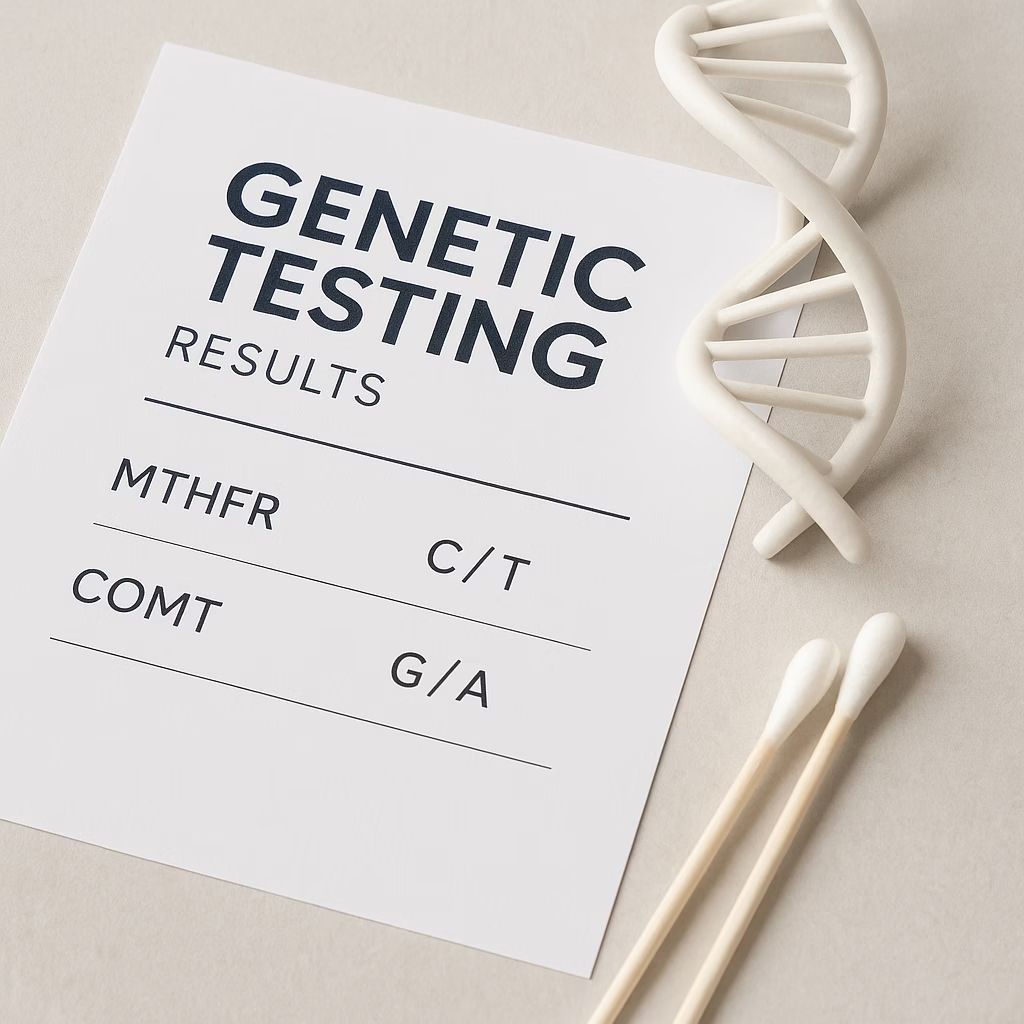
We ordered a pharmacogenomic panel to assess how she metabolizes psychiatric medications. This helps tailor treatment and avoid ineffective or poorly tolerated meds.
We also reviewed genetic markers such as:
- MTHFR
- COMT
These influence methylation, a critical biochemical process involved in:
- Energy production
- Neurotransmitter synthesis
- Hormone metabolism
- Detoxification
- Inflammation reduction
Women with suboptimal methylation may experience:
- Fatigue
- Brain fog
- Irritability
- Increased inflammation
- Poor stress tolerance
Supporting methylation with the right B-vitamin forms (like methyl-B12 or methyl-folate when appropriate) can improve cognitive clarity, energy, and mood.
Step 4: Comprehensive Lab Work

To avoid guessing, we measured:
Hormones
- Estradiol
- Progesterone
- FSH/LH
- DHEA-S
- Testosterone
- SHBG
Metabolic & Thyroid Markers
- TSH, Free T3, Free T4
- Reverse T3 (when indicated)
- A1c and fasting insulin
- Lipid panel
Nutrient Status
- Ferritin and full iron panel
- Vitamin D
- B12 and folate
- Magnesium
- Omega-3 index
Inflammation
- hs-CRP
- Homocysteine (also linked to methylation)
Each of these can independently contribute to fatigue, mood changes, poor sleep, temperature dysregulation, and cognitive symptoms.
Step 5: Hormone Replacement Therapy (HRT) — Evidence-Based Support
Based on her labs and symptoms, we discussed bioidentical hormone therapy, including:
Progesterone
- Supports sleep by acting on GABA receptors
- Helps reduce nighttime awakenings
- Stabilizes mood
- Helps regulate cycles during perimenopause
Estrogen Therapy
- Relieves hot flashes and night sweats
- Supports bone health
- Helps mood regulation
- Improves cognitive clarity
Vaginal Estrogen + Testosterone
Because painful sex was impacting her intimacy and confidence, we recommended:
- Topical vaginal estrogen for dryness and tissue repair
- Topical testosterone if needed to boost libido, comfort, and orgasmic function
These are extremely safe for long-term use and improve quality of life dramatically.
Step 6: Sleep Optimization — The Foundation of Hormone & Mental Health

Chronic poor sleep increases:
- Cortisol
- Appetite and cravings
- Weight gain
- Anxiety and irritability
- ADHD symptoms
We addressed:
- Sleep apnea screening (especially important in midlife women)
- Progesterone therapy to support deeper sleep
- Sleep hygiene strategies tailored to her lifestyle
- Stress reduction tools such as breathwork, CBT-I elements, or nighttime routines
Restoring sleep is often the turning point for metabolism, mental clarity, and emotional resilience.
Step 7: Nutrition, Exercise, and Metabolic Support


We implemented:
Nutrition
- Balanced meals with moderate protein
- 30–40 grams of fiber daily to support gut health, estrogen metabolism, and blood sugar
- Hydration strategies
- Anti-inflammatory nutrition principles
- Support for insulin regulation if needed
Movement
- Strength training 2–3x/week
- Low-impact cardio
- NEAT (non-exercise activity) to boost metabolism
- Hormone-friendly exercise adjustments during symptomatic days
GLP-1 Therapy (When Clinically Appropriate)
GLP-1 medications can support:
- Sustainable weight loss
- Improved sleep
- Improved insulin sensitivity
- Reduced inflammation
- Potential benefits for ADHD symptoms by stabilizing appetite and glucose
- Improved mood and reduced emotional eating
Emerging research is exploring GLP-1’s impact on the gut-brain axis and mood regulation.
Step 8: Sexual Health — A Critical Part of Midlife Wellness

We validated her experience—painful sex is not an inevitable part of aging.
Her plan included:
- Topical estrogen
- Vaginal moisturizers and lubricants
- Pelvic floor therapy if needed
- Optional low-dose testosterone
- Emotional and relationship support
- Permission to prioritize her sexual wellbeing
Step 9: Referrals and Collaborative Care
If symptoms persist or become more complex, we consider:
- Referral to a women’s health nurse practitioner
- Pelvic floor physical therapy
- Sleep medicine
- Psychiatry
- Nutrition therapy or health coaching
A multi-faceted approach consistently produces the best outcomes.
The Result

Within weeks, she noticed:
- Deeper sleep
- Improved patience and emotional regulation
- Less brain fog
- More predictable menstrual symptoms
- Increased libido and painless intimacy
- Improved focus and organization
- Greater confidence and self-compassion
- Renewed energy and steadier mood
For the first time in years, she said:
“I feel like myself, but better.”
Why This Matters
Women in midlife are often told their suffering is “normal.” But normal is not the same as optimal.
When we take a holistic, science-driven approach—hormones, brain health, genetics, sleep, metabolism, sexuality—we uncover the root causes and help women feel whole again.
If you see yourself in this story, you’re not alone—and you’re not “just hormonal.”
You deserve a provider who listens, investigates, and partners with you.
At Steady State Health, we help women navigate midlife with clarity, compassion, and evidence-based care.
Schedule a consultation and begin your own comprehensive wellness plan.
GET IN TOUCH
Reference (APA 7th Edition)
Baskaran, C., & Mohan, V. (2021). Metabolic effects of GLP-1 receptor agonists: Beyond glycemic control. Diabetes Therapy, 12(4), 1155–1180.
Ji, Y., et al. (2023). GLP-1 receptor agonists and their influence on mood and cognition: A review of emerging evidence. Neuropsychopharmacology Reports, 43(2), 123–135.
Parry, B. L., & Dreher, J. C. (2020). Perimenopause, hormones, and mood: Clinical, biological, and treatment aspects. The Lancet Psychiatry, 7(7), 628–640.
Nigg, J. T., & Barkley, R. A. (2020). Adult ADHD and its effects on emotional regulation and executive function. Journal of Clinical Psychology, 76(7), 1302–1317.
Stuenkel, C. A., et al. (2022). The 2022 hormone therapy position statement of The North American Menopause Society. Menopause, 29(7), 767–794.
Mischoulon, D., & Raab, M. F. (2019). The role of methylation and folate in depression and cognitive function. CNS Spectrums, 24(1), 10–18.